My Body, My Story: Reclaiming the Narrative of a Life Shaped by Hemophilia

The room is silent, but my body is screaming.
To the outside world, I am sitting still. I look "fine," perhaps
a little tired. But inside my right knee - my "target joint" - a war is
raging. It starts not with pain, but with a tingle. A specific, bubbling
warmth that every hemophiliac knows better than their own mother's voice. It is
the starting point of a bleed.
I am a severe hemophiliac. My blood lacks the clotting factor (Factor VIII) needed to
clot. But that clinical definition is sterile; it doesn't capture the mess, the
fear, or the cost.
For years, I let this condition write my story. It wrote chapters of
disability, of lost opportunities, and of financial ruin. Today, I am taking
the pen back. But to do that, I have to tell you the truth about the hidden
causes of our pain—the things the medical textbooks don't quite explain.

1. The Rust in the Machine
(The Biological Betrayal)
Most people think hemophilia is just about "bleeding longer" if
we get cut. If only it were that simple.
The actual thief of my life isn't the external cut; it is the spontaneous
internal bleed. Gravity is my enemy. Simply walking can cause the
capillaries in my ankles or knees to burst. Blood fills the joint capsule like
a balloon filling with water, but the balloon is made of bone and nerve
endings. The pressure is excruciating.
But here is the hidden cause of the chronic pain that haunts me even
when I am not bleeding: Hemophilic Arthropathy.
When blood sits in a joint, it breaks down. The iron in my red blood cells is released into the joint cavity. To my cartilage, this iron is toxic; it is
essentially rust. I am rusting from the inside out. This causes synovitis—an
inflammation of the joint lining. The synovium grows thick and angry, eating
away at the cartilage until bone grinds on bone.
So, when you see me limping, it isn't just an injury. It is a lifetime of
iron deposits acting like sandpaper in my gears.
2. The Financial Haemorrhage
I have bled money as often as I have bled blood.
There is a concept in chronic illness called "Financial
Toxicity." For a hemophiliac, this is our reality. The
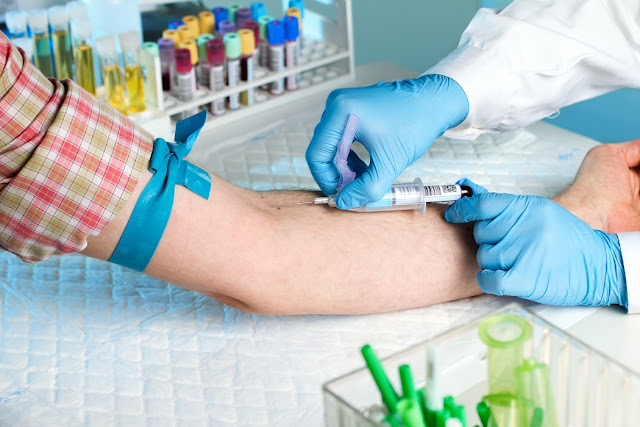
"Factor" injections—the synthesized proteins I need to inject into my
veins to stop a bleed—are liquid gold. Thankfully, the Government of India and Hemophilia Chapters (around the country) provide it freely as and when required.
I have lost fortunes trying to stay mobile.
- The Cost of Crisis: One bad fall, one surgery, or one spontaneous bleed
can wipe out a family's savings in a week.
I have looked at my bank account and felt the same sinking dread as I feel
when I sense a bleed starting. The guilt is heavy. You feel like a burden, a
drain on your family's resources. You watch your peers buy homes and travel,
while you are buying expensive medicines and medical products just to be able
to walk to the bathroom.
3. The Invisible Disability
The hardest days are not when I am in a wheelchair; those days are honest.
The hardest days are when I look "normal."
Hemophilia is often an invisible disability. We become masters of
masking. We learn to walk without limping, even when every step feels like
stepping on glass. We smile through "micro-bleeds" - tiny seepages into
the joints that don't cause massive swelling but cause massive ache.
I have been called "lazy" for not standing up. I have been called
"fragile" when I refused to play rough sports. I retreated into
myself, becoming a "Glass Child" - transparent, fragile, and terrified
of shattering.
4. Reclaiming the Narrative
So, how do I reclaim this story? How do I look at a body that is scarred,
joints that are fused, and a bank account that has been emptied, and find
value?
I realized that my vulnerability is my superpower.
- I am a Master of Risk: I calculate risk better than any stockbroker. Every
step I take is a calculated decision. I have learned mindfulness not by
choice, but by necessity - I must listen to my body's whisper before it
screams.
- I am Resilient: The iron in my
joints may cause pain, but it has forged an iron will. I have endured pain
that would break others, and I have woken up the next day ready to try
again.
- The Story is Mine: I am not "a
hemophiliac." I am a person with hemophilia. My story is not
just about the blood I lost; it is about the life I kept living despite
the loss.
To anyone reading this who is in pain, physically or financially: You
are not broken. You are a complex, expensive, high-maintenance masterpiece.
The rust may be in my bones, but the gold is in my spirit.
A Note for the Reader
If you know someone with a bleeding disorder, understand that their pain is
often silent. We don't need pity; we need patience. We need you to understand
that when we say "I can't today," it's because we are fighting a
battle you cannot see.

Comments
Post a Comment